
Prenatal Massage: Benefits, Safety, and What to Expect
Pregnancy puts sustained physical demand on the body — and most of it goes unaddressed. Prenatal massage is more than relaxation. Here's what it actually does, who it's appropriate for, and what to expect.

Postpartum Dizziness and Vertigo: What's Normal, What's Not, and When to Get Help
Postpartum dizziness gets blamed on sleep deprivation and left at that. But spinning triggered by rolling over in bed is a specific, treatable vestibular condition — not just new mom exhaustion. Here's how to tell the difference.
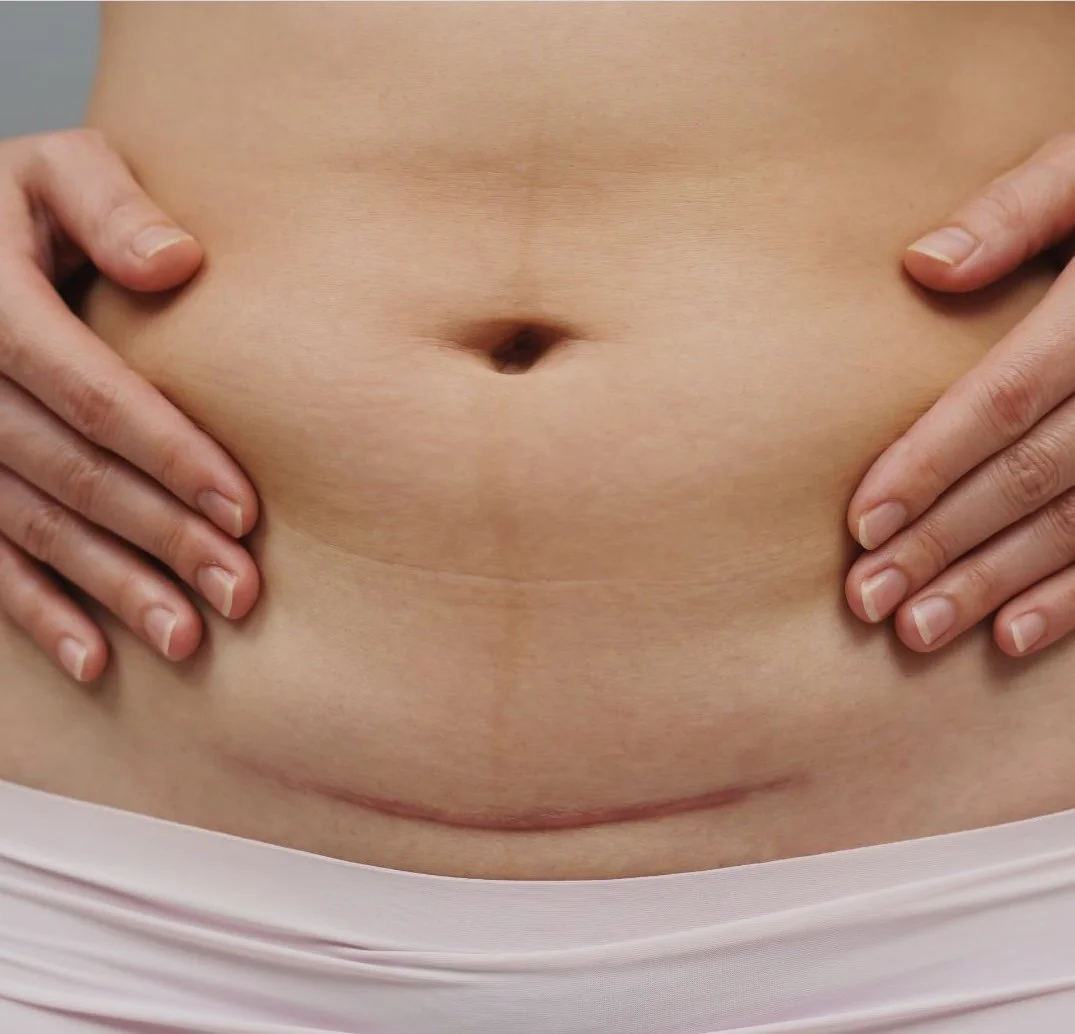
C-Section Scar Massage: Why It Matters and When to Start
A C-section scar is more than a surface incision. Adhesions in the underlying tissue layers can drive pelvic floor dysfunction, hip tightness, and bladder symptoms — sometimes years later. Here's what to do about it
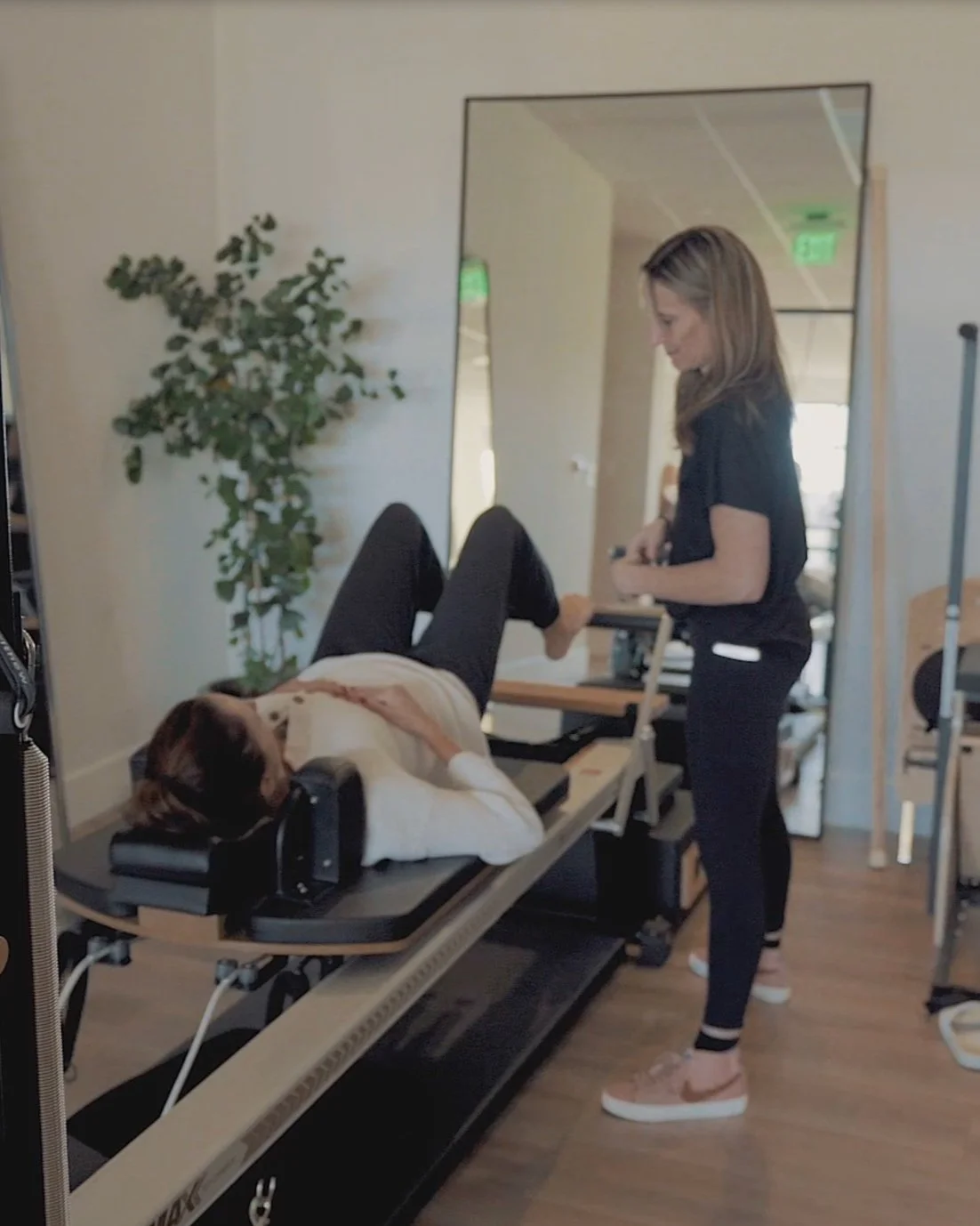
How to Know If Your Core Is Actually Healed Postpartum
Most postpartum moms want to know when they can work out again. The real question is whether their core is managing pressure the way it needs to. Here's how to actually tell — and what coning, DR, and pelvic floor symptoms are signaling.
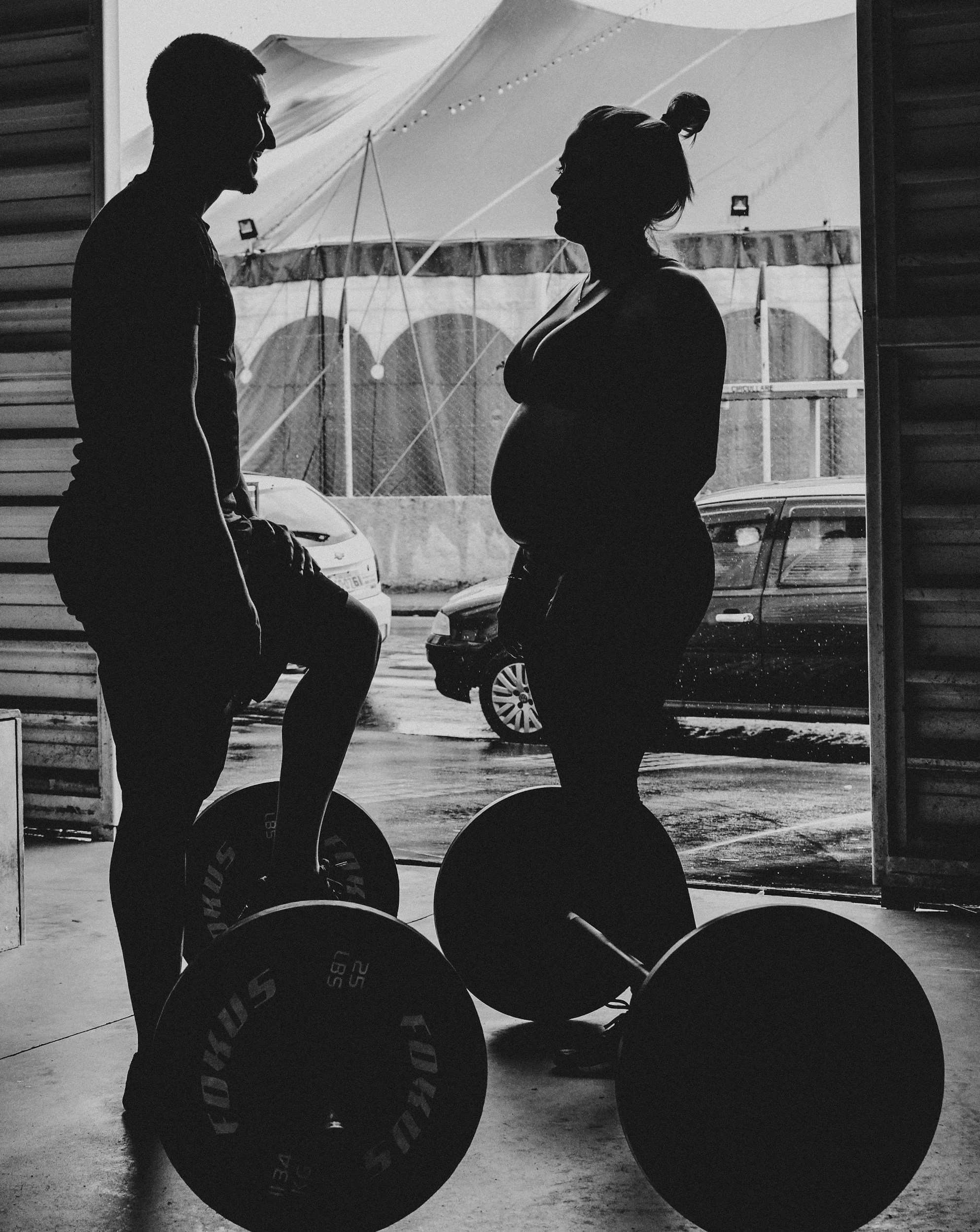
The Case for Staying Active During Pregnancy (And How to Do It Safely)
The research is clear: movement during an uncomplicated pregnancy benefits both mother and baby. What's less clear is what that actually looks like trimester by trimester — and when to get clinical guidance.

What Is Pelvic Floor Physical Therapy — and Do You Need It?
Leaking, pelvic pain, prolapse, post-surgical recovery — pelvic floor dysfunction shows up in more ways than most people realize. Here's who benefits from pelvic floor PT and what a first appointment actually involves.
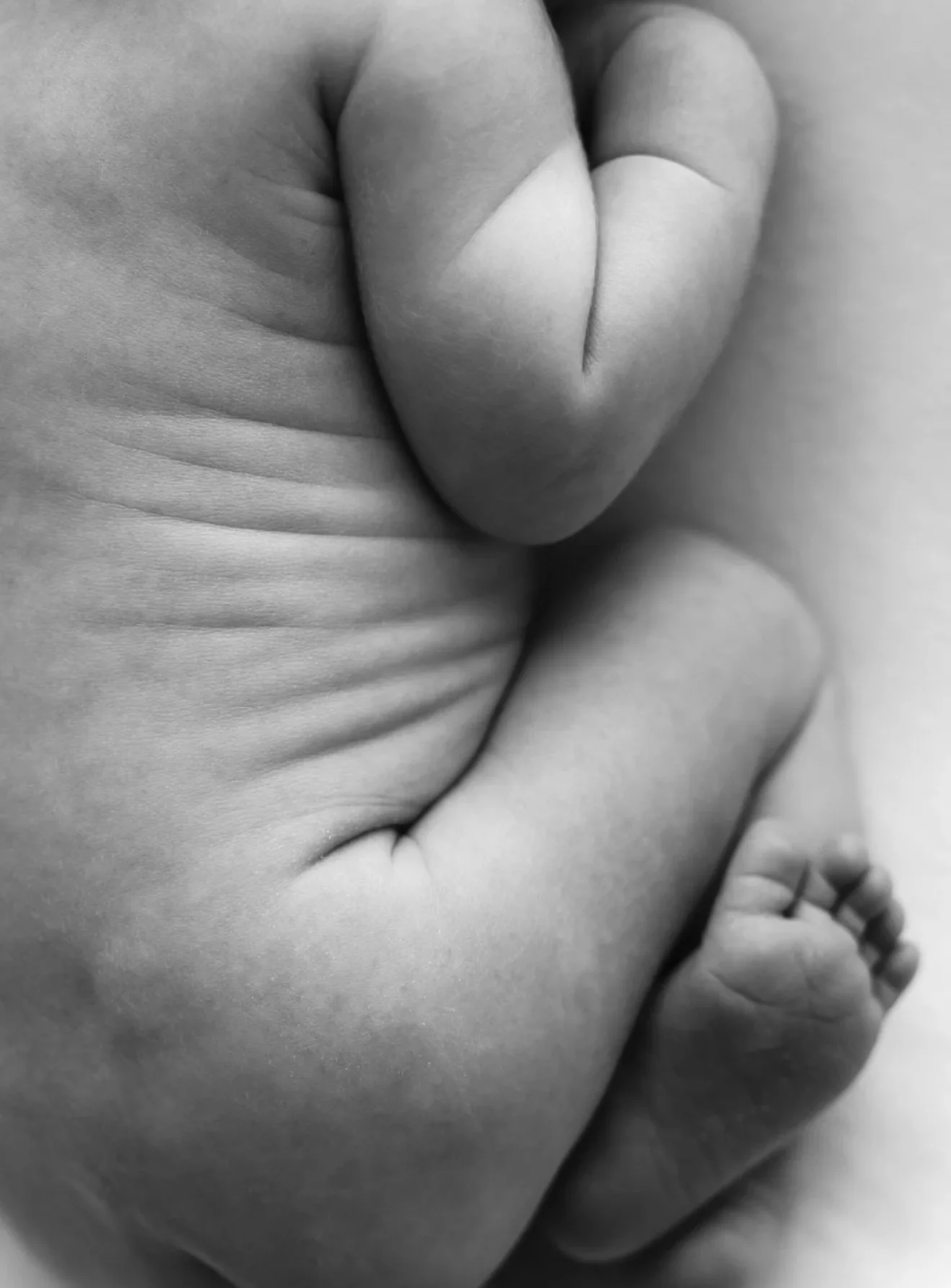
Postpartum Recovery: What No One Tells You About the First 6 Months
The six-week clearance tells you your uterus has involuted. It says nothing about your pelvic floor, your core, or whether your body is ready for the demands of new motherhood. Here's the real picture — and what to do about it.