
Prenatal Massage: Benefits, Safety, and What to Expect
Pregnancy puts sustained physical demand on the body — and most of it goes unaddressed. Prenatal massage is more than relaxation. Here's what it actually does, who it's appropriate for, and what to expect.

Postpartum Dizziness and Vertigo: What's Normal, What's Not, and When to Get Help
Postpartum dizziness gets blamed on sleep deprivation and left at that. But spinning triggered by rolling over in bed is a specific, treatable vestibular condition — not just new mom exhaustion. Here's how to tell the difference.
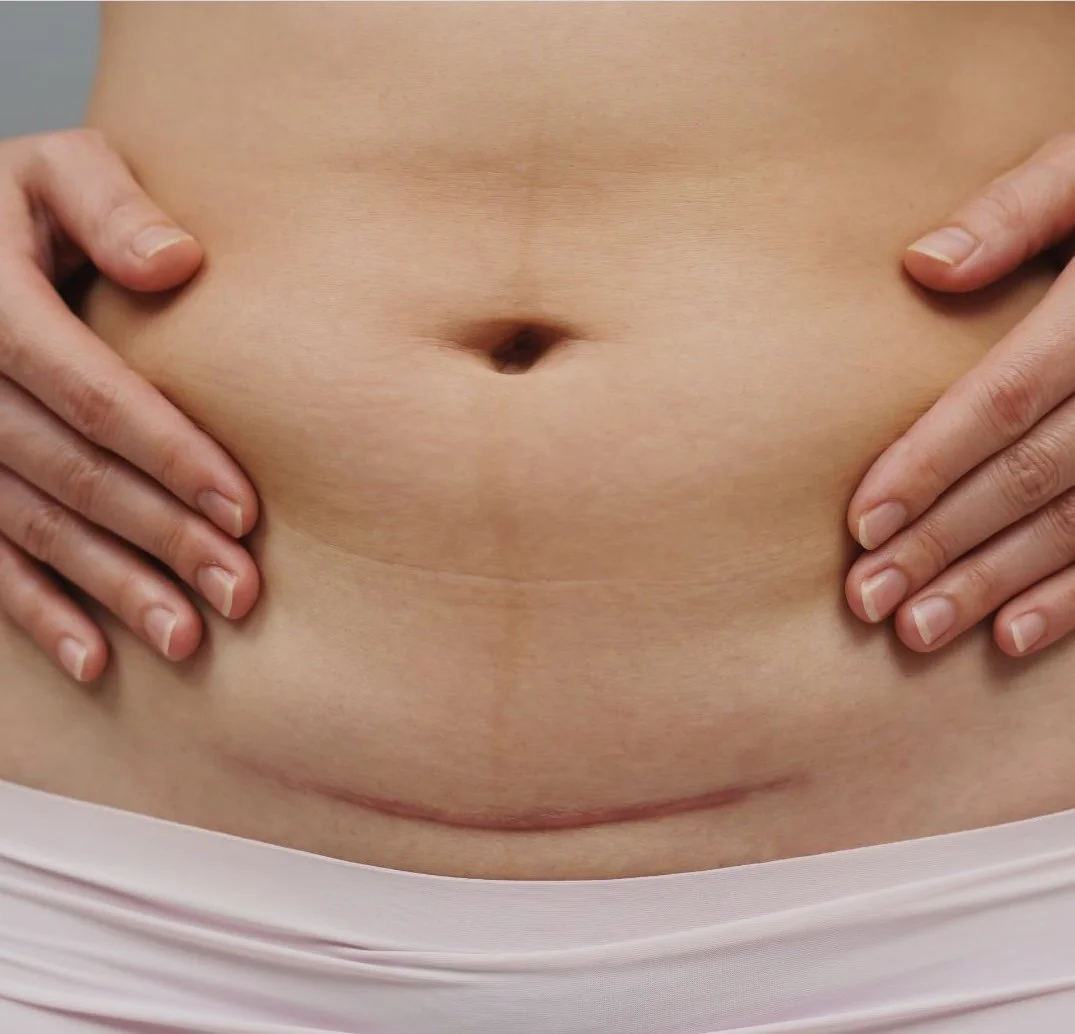
C-Section Scar Massage: Why It Matters and When to Start
A C-section scar is more than a surface incision. Adhesions in the underlying tissue layers can drive pelvic floor dysfunction, hip tightness, and bladder symptoms — sometimes years later. Here's what to do about it
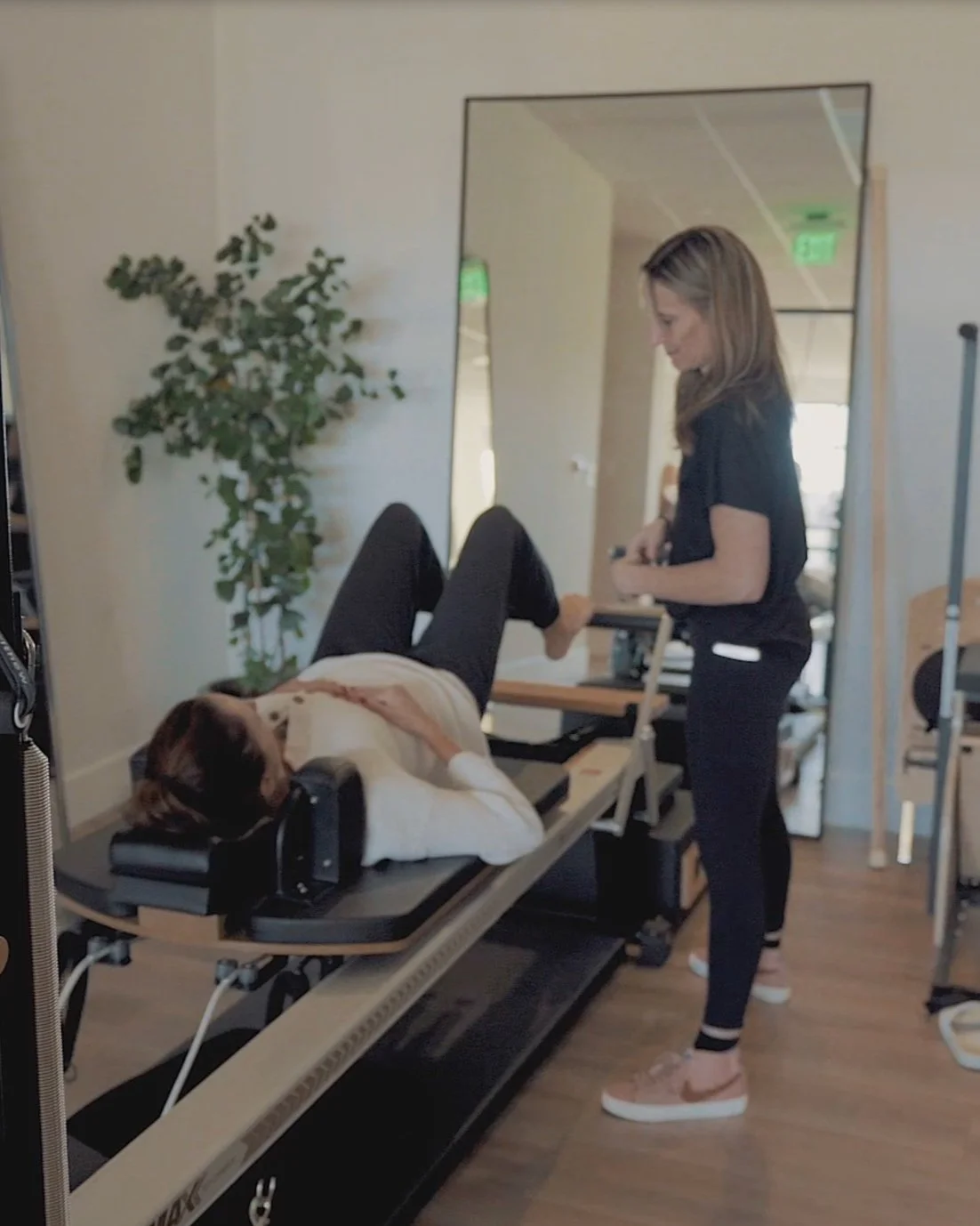
How to Know If Your Core Is Actually Healed Postpartum
Most postpartum moms want to know when they can work out again. The real question is whether their core is managing pressure the way it needs to. Here's how to actually tell — and what coning, DR, and pelvic floor symptoms are signaling.
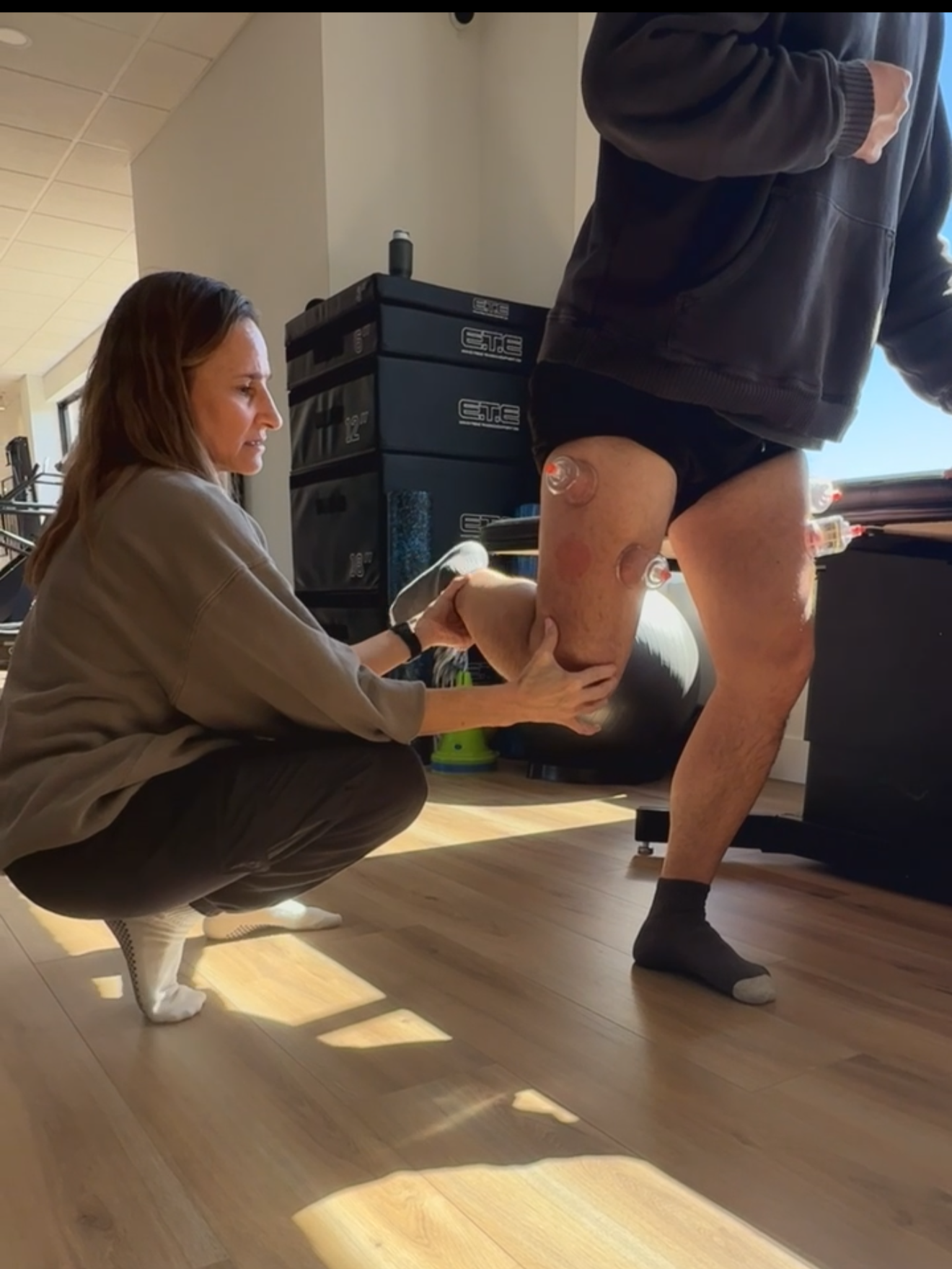
Do You Really Need a Referral for Physical Therapy in California?
Most people assume they need a doctor's referral before seeing a physical therapist. In California, that's not the case. Here's what direct access PT actually means — and why it matters for your recovery.
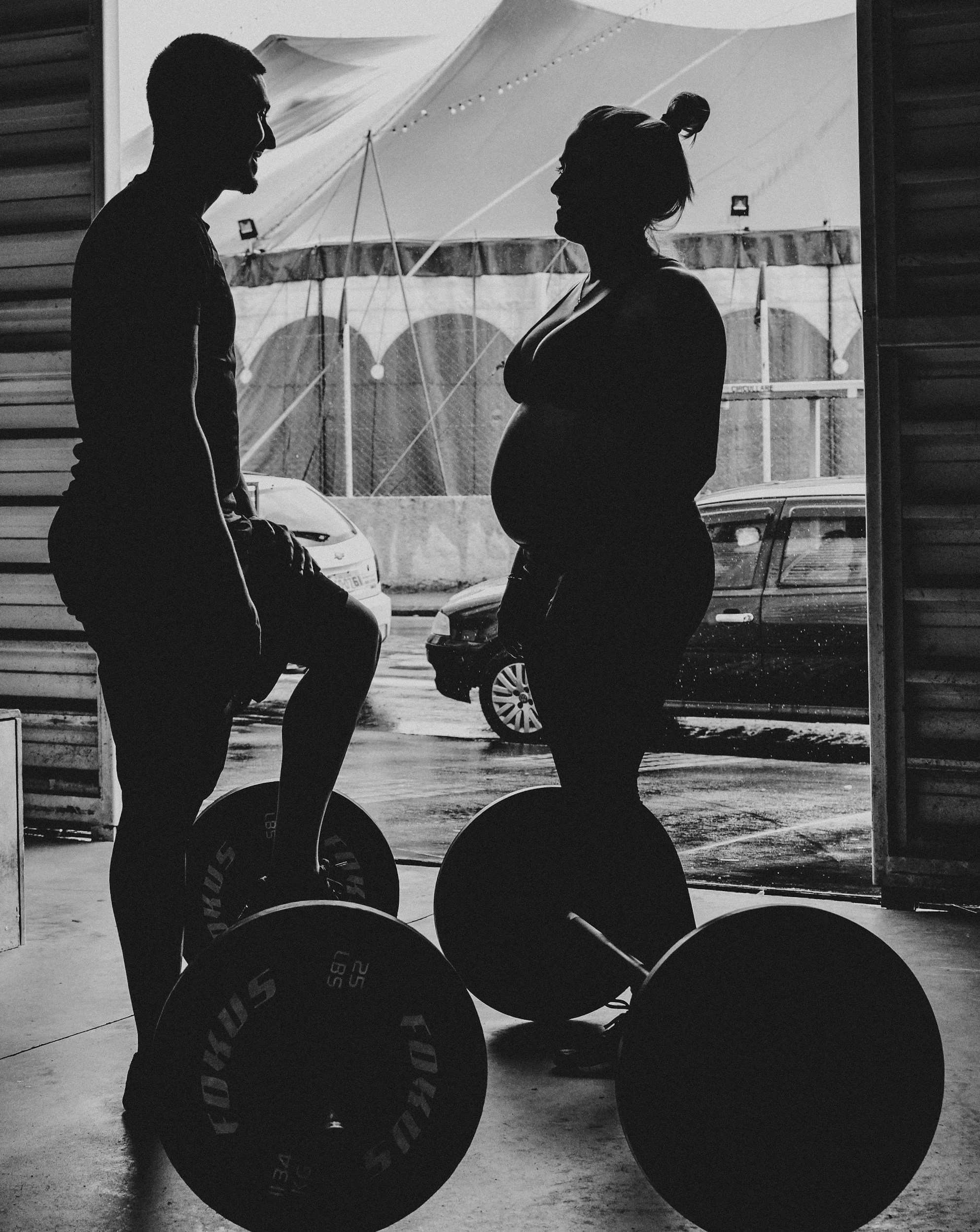
The Case for Staying Active During Pregnancy (And How to Do It Safely)
The research is clear: movement during an uncomplicated pregnancy benefits both mother and baby. What's less clear is what that actually looks like trimester by trimester — and when to get clinical guidance.

BPPV vs. Chronic Dizziness: What's the Difference and How Is Each Treated?
Brief spinning when you roll over in bed is not the same as persistent unsteadiness in crowds. BPPV and vestibular hypofunction are frequently confused — and treated wrong. Here's the difference.

What Is Pelvic Floor Physical Therapy — and Do You Need It?
Leaking, pelvic pain, prolapse, post-surgical recovery — pelvic floor dysfunction shows up in more ways than most people realize. Here's who benefits from pelvic floor PT and what a first appointment actually involves.

Postpartum Recovery: What No One Tells You About the First 6 Months
The six-week clearance tells you your uterus has involuted. It says nothing about your pelvic floor, your core, or whether your body is ready for the demands of new motherhood. Here's the real picture — and what to do about it.

Lymphatic Drainage Massage: What It Is, What It Isn't, and Who Actually Benefits
It's all over wellness feeds. Some of the claims are legitimate. Some are marketing. Here's what manual lymphatic drainage actually does — and which clients genuinely benefit from it.

Strength Training After 55: Why It's Not Optional
The trajectory of gradual weakness and fragility that most people associate with aging is largely negotiable. The most powerful tool for negotiating it: resistance training. Here's the science.

What to Expect from a Vestibular Rehab Evaluation (And Why It's Not Like Regular PT)
Dizziness is one of the most common — and most under-evaluated — complaints in primary care. If you've been dizzy for months without answers, here's what a vestibular rehab evaluation actually involves.